
Your cart
There are no more items in your cart
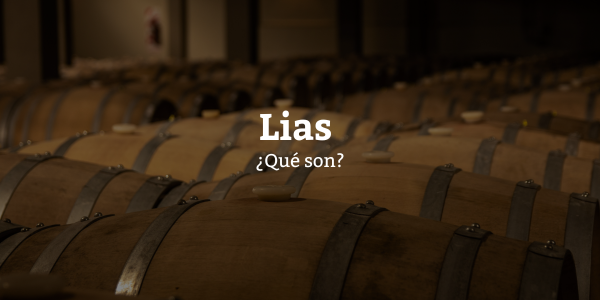
What Are Lees in Winemaking?
Lees are a term that, although unfamiliar to many, play a crucial role in winemaking—especially when it comes to sparkling wines such as cava. These lees, often referred to as the “mother of wine”, have a specific origin and function that are well worth exploring.
Definition and Origin of Lees
Lees are, essentially, a collection of dead yeast cells and other micro-organisms that settle at the bottom of the vessel during wine fermentation. These cells come from the yeast used to convert the grape sugars into alcohol. Once the yeast has finished its work, it dies and settles at the bottom of the container, forming what we know as lees.
Lees: the “Mother of Wine”
The term “mother of wine” is no coincidence. Lees are essential to the development of wine, especially wines that benefit from prolonged ageing. These dead yeast cells release compounds that enrich the wine, giving it complexity and character. It is a natural process that has been appreciated and used by winemakers for centuries.
A Natural Process in Winemaking
During the winemaking process—particularly in wines such as cava—the lees are left in contact with the wine for an extended period, often months or even years. This process is known as “ageing on lees”. As the wine rests on these lees, it absorbs the compounds released by the dead yeast cells. This not only enhances the wine’s flavour and aroma but also contributes to its texture and body.
Benefits of Lees in Wine
Prolonged contact with lees is not an accidental process. Winemakers have long recognised the many benefits that lees bring to wine, which is why many high-quality wines spend time ageing on lees.
How Lees Influence the Flavour and Aroma of Wine
Lees, particularly those derived from yeast, release a series of compounds that enrich the aromatic and flavour profile of the wine. These compounds may include amino acids, proteins, mannoproteins and others that contribute bakery-like notes, nuttiness, and creaminess to the wine. This is why many sparkling wines, such as cava, display that distinctive aroma of toasted bread or pastry.
Their Contribution to Texture and Body
In addition to influencing flavour and aroma, lees also play a crucial role in the texture of the wine. The interaction between the wine and the dead yeast cells can increase the sensation of volume and roundness on the palate. This results in a wine with greater body and a creamier texture, something especially valued in sparkling wines.
Improved Longevity and Preservation
One of the most notable benefits of ageing on lees is the improvement in the wine’s longevity. Lees provide natural protection against oxidation, allowing the wine to retain its characteristics for longer. Furthermore, the compounds released by the yeast can act as natural antioxidants, contributing to the wine’s stability and preservation.
The Importance of Lees in Modern Wineries
In today’s wine world, ageing on lees has earned special recognition. Modern wineries, combining tradition and technology, have adopted and refined this process to produce superior-quality wines.
Modern Techniques for Ageing on Lees
Although ageing on lees is an age-old technique, modern wineries have introduced innovations that optimise the process. One such technique is batonnage, or stirring of the lees. During this process, the lees are regularly stirred into the wine, allowing greater interaction and therefore a higher release of beneficial compounds from the yeast. This technique intensifies the positive effects of lees on the wine, enriching its flavour, aroma, and texture.
Recognising Wines Aged on Lees
For modern consumers, it is essential to recognise and appreciate wines aged on lees. These wines often have a more complex aromatic profile, with notes reminiscent of pastry, butter, or even fresh yeast. On the palate, the presence of lees gives a creamy texture and robust body—qualities appreciated by many wine lovers.
Lees and Sparkling Wines: A Perfect Match
Sparkling wines such as cava have a special relationship with lees. The second fermentation of these wines, which takes place inside the bottle, produces a significant amount of lees. These lees, mainly derived from the yeast, are essential to forming the characteristic profile of sparkling wines. This is why many cava producers allow their wines to rest on lees for years, aiming for the highest expression of flavour and aroma.
Types of Wines Made with Lees
The use of lees in winemaking is not limited to a single type of wine. Both red and white wines can benefit from this process, although their final characteristics may vary depending on the grape variety and technique used.
Red Wines on Lees
Red wines aged on lees tend to develop greater structure and complexity. The lees contribute more robust and earthy notes to the red wine. These wines may display aromas reminiscent of ripe red fruits, spices, and, in some cases, smoky or leathery undertones.
White Wines on Lees
White wines aged on lees, on the other hand, tend to develop fresher and more floral aromas. The lees in white wines contribute pastry notes, citrus hints, and occasionally mineral touches. These wines typically have a creamier texture and a longer finish, thanks to their interaction with the lees.
The Lees-Ageing Winemaking Process
The process of producing wines with lees is meticulous and requires special attention at every stage.
Stages of Fermentation and Maturation
Fermentation is the moment when lees begin to form. As the yeast converts sugar into alcohol, these cells die and settle at the bottom of the vessel. Once fermentation has finished, the wine may be transferred to another vessel, leaving behind the heavier lees. However, in wines aged on lees, a certain amount of lees is retained so they can continue interacting with the wine during maturation.
Techniques Used by Wineries
As mentioned earlier, batonnage is a popular technique that involves stirring the lees into the wine. Other wineries use techniques such as pigeage, which consists of submerging the cap of skins and lees into the wine during fermentation. Each technique aims to maximise the interaction between wine and lees.
Importance of Selecting the Right Lees
Not all lees are the same. The choice of lees can significantly influence the wine’s final profile. Wineries must select the lees that best complement the grape variety and the style of wine they aim to produce.
Recognising a Wine with Lees
For consumers and wine enthusiasts, recognising a wine aged on lees can be an enriching experience.
Visual, Olfactory, and Taste Characteristics
Visually, a wine aged on lees may show a deeper colour and, in some cases, slight haziness. On the nose, aromas of bakery, fresh yeast, and ripe fruit are indicative of the presence of lees. On the palate, these wines typically have a creamier texture and a longer finish.
How to Identify a Wine Made with Lees During a Tasting
During a tasting, it is essential to pay attention to the characteristics mentioned above. Additionally, a wine aged on lees often has greater complexity and more noticeable evolution in the glass. Over time, its aromas and flavours intensify and transform, offering a unique tasting experience.
Lees: A Hidden Treasure in Winemaking
Lees are undoubtedly one of the hidden treasures in the world of winemaking. Although they often go unnoticed by the average consumer, their impact on wine is undeniable. From enriching the aromatic and flavour profile to enhancing texture and longevity, lees are truly the “mother of wine”.
For those seeking a more enriching wine experience, it is essential to explore and appreciate wines aged on lees. Whether it is a sparkling cava or a still wine, the presence of lees promises a memorable tasting experience.
Comments (0)