
Your cart
There are no more items in your cart
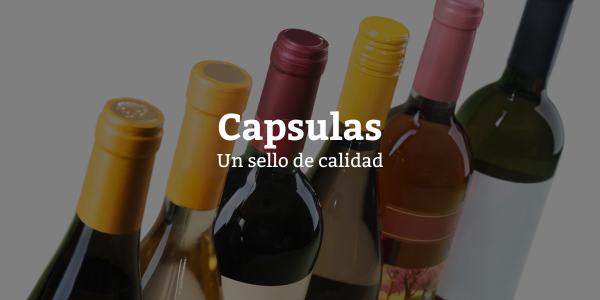
What is a Wine and Cava Capsule, and Why is it Used?
The wine and cava capsule, located at the top of the bottle, has a history and significance that is often overlooked. Although it may seem like a simple aesthetic detail, the capsule plays a vital role in protecting and preserving these beverages.
Wine and cava capsules are devices placed over the top of bottles, generally made of tin or other alloys. Their primary purpose is to keep the bottle hermetically sealed, protecting the cork from dust or leaks.
The use of wine and cava capsules has historical roots. In feudal times, kings were concerned that their wines and cavas might be opened or adulterated by unscrupulous individuals. As a result, they began using these devices as a royal seal to maintain the integrity of their beverages.
Functions of Wine and Cava Capsules
Safety and Sealing
The wine and cava capsule was originally designed to keep bottles secure and hermetically sealed. While many capsules have small holes, these exist to release the air trapped between the cork and capsule, which is sealed under vacuum.
Aesthetic and Quality
Capsules also add an element of sophistication to the bottle, thanks to their beautiful designs and emblems, especially on high-end wines and cavas. In fact, very few wines and cavas are sold today without a capsule, except for artisanal or very low-cost products.
Types of Wine and Cava Capsules
Wine and cava capsules can be made from various materials, although some have been restricted in many countries due to environmental and biosafety regulations. The most common materials include tin, lead, lead alloys, aluminium, PVC, and wax-sealed capsules.
The Importance of Capsule Sealing
Encapsulating wine and cava is crucial for several reasons. Firstly, it increases the longevity of the beverages by keeping the cork in good condition. Secondly, the capsule signifies quality, price, and sophistication. Leading brands invest in their emblems and the prestige of their products, making the capsule a recognised symbol of quality.
In the artisanal market, where capsules are often absent, excellent-quality wines and cavas still exist. However, wine and cava enthusiasts and buyers generally prefer hermetically sealed products.
History of Wine and Cava Capsules
The history of capsules dates back to 1760, when Bordeaux wines were shipped to Vienna in large casks. Over time, the wines began to lose their qualities and turn sour, leading to bottling. At court, it was noticed that corks were sometimes tampered with to adulterate the wine. To prevent falsification or alteration, a law was enacted requiring all bottles to be sealed with wax.
Modern capsules appeared in the 18th century when tin capsules began to be used in Hungary. They were employed for the highest-quality, most luxurious wines to monitor production and soon became a mark of identity.
The Evolution of Wine and Cava Capsules
Capsules have evolved over time. Initially, lead was the primary material. However, environmental regulations and safety standards have since limited its use. Today, the main materials include:
- Tin: Considered the finest capsules, used for premium wines and cavas. Typically made in one piece, they allow a wide range of colours and designs and are easy to open.
- Lead-Tin: Once widely used, these capsules are now rare due to environmental laws. They consist of a lead sheet coated with tin.
- Composite Materials: Made from aluminium and polyethylene sheets, usually in two pieces, allowing easy opening of medium- and high-quality wines and cavas.
- PVC: The most economical option, limiting design possibilities. Banned in several countries due to environmental impact and recycling difficulties.
- Aluminium: Made entirely from aluminium, though production is limited to few factories.
Conclusion
Wine and cava capsules are an essential element in the presentation and preservation of these beverages. Their evolution and variety of materials reflect the industry’s ongoing commitment to enhancing the consumer experience and ensuring product quality.
Comments (0)