
Your cart
There are no more items in your cart
The stages of wine tasting: understanding wine beyond the first sip
Tasting wine involves observing, smelling, and savoring it attentively. Each stage provides information about its condition, production, and quality. It's not just about describing, but about understanding what the wine expresses.
The Visual Stage: The First Impression
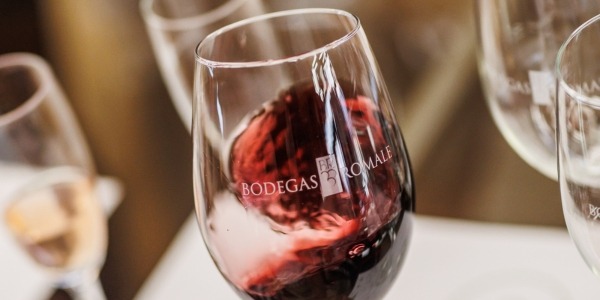
The analysis begins in the glass. Clarity tells us about the wine's health: a clear, clean wine usually indicates good production, while the presence of cloudiness or sediment—more common in unfiltered or long-aged wines—may require decanting.
Brightness and color intensity also offer clues. A luminous wine is often associated with freshness and good acidity. Depth or color intensity indicates chromatic intensity, although it doesn't determine quality on its own. In sparkling wines, the presence and fineness of the bubbles are an essential part of their identity. When swirling the glass, the so-called "tears" reveal its viscosity, which is related to the alcohol content and structure.
The Olfactory Phase: Aromatic Expression
On the nose, the wine unfolds its personality. First, without swirling, the most subtle aromas appear; then, with a gentle movement, more complex notes are released.
Here we distinguish primary aromas, originating from the grape; secondary aromas, resulting from fermentation; and tertiary aromas, developed during aging. We evaluate their clarity, intensity, and quality, from simple and direct profiles to complex, refined, and persistent aromas.
The Gustatory Phase: Balance and Harmony
On the palate, everything perceived is confirmed. We analyze the balance between sweetness, acidity, bitterness, alcohol, and tannins. Acidity provides freshness and structure; alcohol contributes to body; astringency, characteristic of tannins, influences texture and aging potential.
We also assess persistence, that is, how long the wine remains on the palate after swallowing, and the overall sensation it leaves: light, silky, firm, or powerful.
Ultimately, tasting is about interpreting the harmony between all these elements. A good wine is not the most intense or the most complex, but rather the one that maintains a consistent balance from the first sip to the last.
Comments (0)