
Your cart
There are no more items in your cart
The Tirage Process in Winemaking
The world of wine is vast and full of nuances. Each step in its production is crucial to obtaining a high-quality final product. One of these steps is tirage, an essential process in preparing the wine for its second fermentation. In this post, we delve into the fascinating world of tirage liqueur and its importance in winemaking.
What is tirage?
Tirage is the process by which tirage liqueur is added to the base wine before its second fermentation. This liqueur is a combination of sugar and yeasts that enables the wine to ferment again—this time inside the bottle. It is this process that gives sparkling wine its characteristic effervescence.
The importance of tirage in preparing the wine for the second fermentation
Tirage is essential for the quality and characteristics of sparkling wine. By adding the tirage liqueur, the second fermentation in the bottle begins, which is what sets sparkling wines apart from other types of wine. This fermentation produces carbon dioxide, which becomes trapped in the bottle, resulting in the bubbles so appreciated in sparkling wines. In addition, the tirage liqueur adds complexity and depth to the wine’s flavour.
Before Tirage
The first fermentation and blending
Before reaching the tirage process, the wine has already undergone several stages. The first fermentation is where the must is transformed into wine. During this stage, the yeasts consume the sugar present in the must and convert it into alcohol, releasing carbon dioxide in the process.
Blending is the art of mixing different wines to obtain a blend with the desired characteristics. It is a crucial stage before tirage, as it determines the base flavour of the sparkling wine.
Transformation of must into wine and the release of carbon dioxide
The transformation of must into wine is a magical process. Yeasts play an essential role in converting sugar into alcohol. This natural chemical reaction not only produces alcohol but also carbon dioxide. In still wines, this gas is released into the environment, but in the case of sparkling wines, the intention is to retain it in order to create bubbles.
Filtering and stabilising the resulting wine
Once the wine has undergone its first fermentation and blending, it must be filtered and stabilised. Filtration removes impurities and suspended particles, while stabilisation ensures that the wine does not undergo undesirable changes once bottled. These steps prepare the wine to receive the tirage liqueur and begin its second fermentation.
Components of Tirage Liqueur
Tirage liqueur is an essential mixture in the production of sparkling wines. Although it may seem simple, its composition and the exact proportions of its ingredients are crucial to the final result. Let us take a closer look at each component.
Sugar: quantities and its relationship with the pressure in cava
Sugar is one of the main components of tirage liqueur. Depending on the amount of sugar added, the sparkling wine will be more or less sweet. But sugar not only affects sweetness—it plays a crucial role in bubble formation. The more sugar added, the more carbon dioxide is produced during the second fermentation, resulting in higher pressure inside the bottle. It is this pressure that gives cava its characteristic sparkle.
Yeasts: importance in fermentation and control of quantities
Yeasts are another essential component of tirage liqueur. These micro-organisms are responsible for converting sugar into alcohol and carbon dioxide. The choice of yeast and the quantity used are crucial for the flavour, aroma, and texture of the sparkling wine. An appropriate amount ensures a uniform, controlled fermentation, while too much or too little may lead to undesirable flavours or a lack of bubbles.
Bentonite: clarifying agent and its role during ageing
Although less well known, bentonite is a crucial component in sparkling wine production. This natural clarifying agent is added to tirage liqueur to help remove impurities and suspended particles from the wine. During ageing, the bentonite settles at the bottom of the bottle, carrying impurities with it. This results in a cleaner, clearer wine ready to be enjoyed.
The Position of Cava in the Cellar
Storing cava in the cellar is a crucial stage that directly influences the quality of the final product. The position in which the bottles are stored may seem like a minor detail, but it has a significant impact on the maturation process and the final characteristics of the wine.
Difference between storing in ‘rima’ or in cages
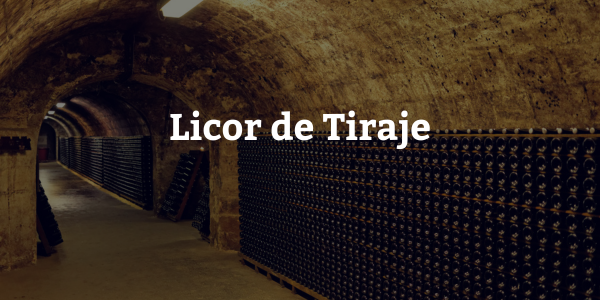
Storing in rima refers to placing the bottles horizontally, one on top of the other, forming stacks. This position allows the yeasts to act evenly throughout the liquid, promoting a homogeneous second fermentation.
Storing in cages, on the other hand, involves placing the bottles in metal structures that allow them to be turned and handled easily. This technique is especially useful during riddling, when the bottles are rotated so that the yeasts move towards the neck of the bottle.
Specific processes according to the type of cava
Depending on the type of cava and the desired characteristics of the final product, different storage techniques may be employed. For example, long-aged cavas benefit from extended storage in rima, which allows greater interaction between the wine and the yeasts, resulting in more complex and profound flavours.
Final Stages of the Process
Once the cava has spent the required time in the cellar, it is time to complete the process and prepare the wine for sale and consumption.
Clarification, disgorging, and addition of expedition liqueur
Clarification is the process by which yeasts and other impurities are removed from the cava. Once clarified, disgorging takes place, which involves opening the bottle and removing the sediment formed by the yeasts.
After disgorging, expedition liqueur is added—a mixture of wine and sugar that determines the cava’s level of sweetness. Depending on the amount of sugar in the expedition liqueur, the cava may be brut nature, extra brut, brut, among others.
Labelling and final packaging
With the cava ready, the final step is labelling and packaging. Labels not only provide information about the wine but are also an essential part of brand identity. Once labelled, the bottles are sealed—either with a traditional cork or other types of closures—and are ready to be distributed and enjoyed.
Conclusion: The Magic of Tirage Liqueur
The world of cava is fascinating and full of nuances, and at the heart of this process lies tirage liqueur. This seemingly simple mixture of sugar and yeasts is responsible for giving life to cava, creating its characteristic bubbles and contributing complexity and depth.
Throughout the production of cava, tirage liqueur plays a leading role. From the moment it is added to the base wine, it triggers a series of reactions that transform a still wine into a sparkling one full of effervescence and flavour. The choice of components, proportions, and ageing time are all essential to obtaining a high-quality product.
Storage—whether in rima or cages—clarification, disgorging, and the addition of expedition liqueur are stages that, though technical, are steeped in tradition and passion. Each decision made in these processes aims to highlight the qualities of the cava and ensure that when a bottle is opened, all the aromas and flavours carefully crafted by the winemakers are released.
In short, tirage liqueur is not just another ingredient in cava production. It is the soul of sparkling wine—the secret that makes it bubble and the magical touch that sets it apart from other wines. So next time you enjoy a glass of cava, remember the importance of tirage liqueur and raise a toast to the tradition, science, and artistry that make it possible.
Comments (0)