
Your cart
There are no more items in your cart
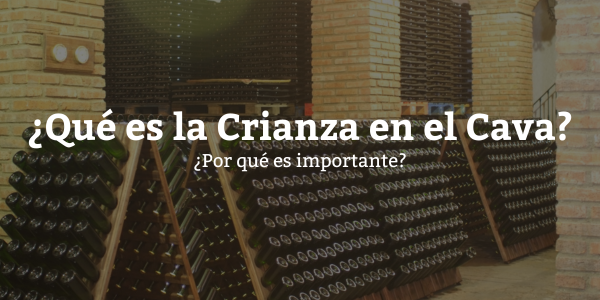
Ageing in Cava: The Secret of Bodegas Romale
The Vineyard: Where Quality Begins
The harvest marks the starting point of a process that, although similar in some ways to winemaking, is filled with details that make it unique and distinctive.
The first of these details is choosing the precise moment to pick the grapes, ensuring the correct level of acidity to allow for future preservation and the secondary fermentation that will produce the Cava.
Once the grapes arrive at the winery, they undergo destemming to separate the berries from the stalks, followed by gentle crushing to release the must. The juice is then softly pressed (limited to 66% yield) to ensure the extraction of high-quality must, ideal for subsequent ageing in the bottle.
Alcoholic Fermentation: Creating a Wine with Special Characteristics
The musts, carefully separated by grape variety, are clarified and prepared for the next step: alcoholic fermentation.
This process transforms the must into what is called the base wine. Yeasts—most commonly Saccharomyces cerevisiae—begin their work at this stage. Fermentation is conducted under strict temperature control to ensure proper conversion of the grape sugars into a wine with an alcohol content of between 9.5% and 11.5% by volume.
Blending or Coupage: The First Identity of Cava
Blending, or coupage in French, is crucial in determining the proportion of each base wine in the final product, forming the first signature of identity. Together with the ageing period and dosage, blending shapes the final character of our Cava.
The Second Fermentation in Bottle: And the Bubbles Appear…
How do the bubbles form? Is it really a natural process? The second fermentation is, without doubt, what defines Cava and is responsible for the magic surrounding this sparkling wine. Remarkably, the famous bubbles form inside the bottle itself, giving Cava its distinctive effervescence.
The Ageing Period: An Essential Rest
During ageing, the position of the bottle allows the Cava to remain in contact with its lees or yeasts, contributing to aromatic complexity and final creaminess. To achieve this, the bottles must remain completely still, in a dark environment with stable humidity and temperature.
The duration of ageing determines whether a bottle is classified as Cava Joven, Reserva, or Gran Reserva. Ageing periods start from a minimum of nine months and can extend into triple figures. Less time produces fresher wines with lively bubbles; longer ageing develops greater aromatic complexity and perfectly integrated effervescence.
Cava in Contact with Its Lees
While the versatility of Cava is one of its greatest virtues, particularly due to the diversity of ageing and styles, an exclusive phenomenon occurs in sparkling wines of quality when ageing exceeds approximately 18 months: autolysis.
Autolysis is a slow, complex process caused by the breakdown of yeast cells, which release cellular components such as proteins, volatile compounds, and fatty acids into the wine. This gives the Cava aromas reminiscent of nuts, toasted notes, pastries, toffee, caramel, and more. These aromas intensify with longer ageing.
The Most Traditional and Artisanal Technique
When the winemaker considers the Cava ready for consumption, ageing is concluded and riddling is carried out. This ancient, artisanal technique moves the sediment of dead yeasts towards the neck of the bottle.
Daily, the responsible worker gives each bottle an eighth turn on the pupitre until it reaches a vertical position. The goal is to leave the Cava completely clear and bright, preserving almost all of its precious carbonation.
Disgorgement: The Moment of Truth
Disgorgement involves uncapping the bottle to remove the sediment and represents the point at which the ageing process is concluded. While traditionally an artisanal process, modern techniques have improved efficiency without compromising quality.
Typically, the bottle neck is frozen in an inverted vertical position so that the block of ice formed traps the sediment near the crown cap. The bottle is then returned to a normal position, opened manually or mechanically, and the internal pressure expels the ice, leaving the wine clean and sparkling.
Dosage or Expedition Liqueur: The Final Decision
After disgorgement, the lost volume of liquid must be replaced. This is also the stage where the style of Cava for the market is determined.
Once the secondary fermentation is complete, the wine contains no residual sugar. The producer may add sugar through the so-called expedition liqueur, a mixture of wine and sugar, which determines the final type of Cava based on the quantity added.
Corking, Foiling, and Labelling
Once the expedition liqueur has been added (if the winemaker chooses) and the small volume of Cava lost during disgorgement replaced, the bottle is corked. The cork is inserted under pressure, and a wire cage is placed over it to prevent it from being forced out by internal pressure. This wire is called a muselet.
Once correctly labelled, indicating the type of Cava, the bottle is ready for consumption, ready to delight anyone who opens it. Cheers!
Conclusion
Producing Cava is a meticulous and detailed process that requires time, patience, and deep viticultural knowledge. From harvest to corking, every step is crucial to creating a high-quality product. At Bodegas Romale, we are proud to follow these traditions and techniques to produce exceptional Cavas for our customers. Through our dedication to ageing in Cava, we continue to raise the standard of what can be expected from a premium Cava.
Comments (0)