
Your cart
There are no more items in your cart
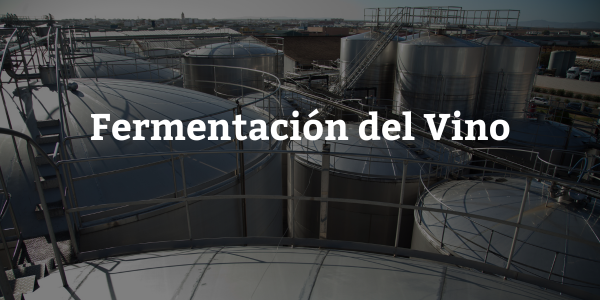
At Bodegas Romale, a renowned winery with a long tradition of producing high-quality wines, alcoholic fermentation plays a fundamental role in creating their exquisite products. In this article, we will explore in detail what alcoholic fermentation is and how this process contributes to the distinctive quality and flavour of their wines.
What Is Alcoholic Fermentation?
Alcoholic fermentation is a biochemical process in which the sugars present in grapes are converted into alcohol and carbon dioxide through the action of yeast. This process is essential in winemaking, as it is responsible for transforming grape must into wine.
The Alcoholic Fermentation Process at Bodegas Romale
At Bodegas Romale, alcoholic fermentation takes place in stainless steel tanks specifically designed to control temperature and allow proper fermentation. The process is carried out step by step as follows:
- Harvesting and Grape Selection
At Bodegas Romale, harvesting is done manually to ensure that only grapes at optimal ripeness are selected. This meticulous selection guarantees the quality of the grapes used in fermentation. - Destemming and Crushing
Once the grapes are selected, they are destemmed and crushed, separating the berries from the stalk and releasing the must. This must contains the sugars necessary for fermentation. - Fermentation
The must is transferred to fermentation tanks, where selected yeasts are added. These yeasts begin consuming the sugars present in the must, producing alcoholic fermentation. During this process, heat and carbon dioxide are generated. - Temperature Control
Strict temperature control is maintained during fermentation at Bodegas Romale. This ensures that the yeasts remain active and helps control the development of the characteristic aromas and flavours of each wine. - Punching Down and Pumping Over
During fermentation, regular punching down and pumping over are carried out to ensure adequate extraction of compounds from the grape skins. These processes contribute to the structure and complexity of Bodegas Romale’s wines. - Completion of Fermentation
Alcoholic fermentation is considered complete when the yeast has consumed most of the sugars in the must and transformed the liquid into wine. At this stage, solids are separated, and the wine is racked into oak barrels for further ageing.
The Importance of Alcoholic Fermentation in Wine Quality
Alcoholic fermentation is essential in producing high-quality wines, and at Bodegas Romale, it is given significant importance. During this process, a series of chemical and biochemical changes occur, contributing to the formation of the wine’s aromas, flavours, and structure.
The selection of yeast strains at Bodegas Romale is crucial for achieving wines with distinctive aromatic and flavour profiles. In addition, temperature control during fermentation preserves volatile compounds and prevents the formation of undesirable aromas.
The duration of alcoholic fermentation is also a key factor in wine quality. At Bodegas Romale, this process is carefully monitored to ensure the desired balance between sugar and alcohol, and to produce wines with appropriate structure and texture.
Conclusions
In summary, alcoholic fermentation is a key process in producing high-quality wines at Bodegas Romale. Through this process, grape must is transformed into wine with the help of yeast and precise temperature control. Alcoholic fermentation contributes to the development of the distinctive aromas, flavours, and structure that characterise Bodegas Romale’s wines.
Comments (0)