
Your cart
There are no more items in your cart
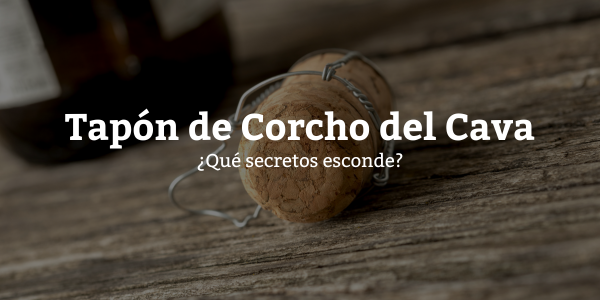
The Cava cork is far more than just a simple accessory to seal a bottle. It is an element that preserves the essence of a product steeped in quality and tradition. In this article, we will explore the importance of the Cava cork, its manufacture, functionality, and symbolism.
Manufacture and Functions of the Cava Cork
In most cases, the Cava cork is made from cork, a material that has been used for centuries in the wine industry. Traditionally, Cava corks were purchased in the Empordà region of Girona, although today they are sourced from various locations, including the province of Cádiz.
Modern Cava corks are often made from agglomerated cork granules. However, it is important to note that a poor-quality cork can indicate a lower-quality Cava.
Shape and Functionality of the Cork
Cava corks have a specific shape: square at the base to fit the bottle and flared at the top to accommodate the wire hood. This design ensures a tight seal, provided the wire cap is used.
During bottling, a metal cap is added to protect the cork and control the opening. This step is essential to preserve the quality of the Cava.
Symbolism of Cava Corks
Cava corks feature a series of symbols that, if properly interpreted, provide additional information about the product. For example, a four-pointed star on the lower end indicates that the Cava has been produced using the traditional Champenoise method.
If the cork lacks the star and instead displays a circle, triangle, or rectangle, it indicates a carbonated wine, but not true Cava. Each symbol represents a different production method:
- Four-pointed star: Indicates genuine Cava, made using the traditional method.
- Rectangle: Indicates a “lightly made” Cava, with a short in-bottle fermentation and no disgorgement process.
- Circle: Represents a wine known as “Granvás,” with fermentation carried out in large tanks and bottled directly for commercial sale.
- Triangle: Represents a medium-quality sparkling wine not produced by the traditional method, where carbonation is artificially added to create bubbles.
Labelling on Cava
Cava labelling appears both on the bottle and on the cork, specifically on its top. To be classified as Cava, this label must be present and can provide variable information.
If it is a Cava aged 9 months, Reserva, or Gran Reserva, this will be indicated. The differences are not only in the text but also in the colour of the labels: white for 9 months, light green for Reserva, and black for Gran Reserva.
Conclusion
The Cava cork can reveal a great deal about the drink you are about to enjoy. It can indicate not only whether the product is genuine Cava but also its ageing. For this reason, we recommend checking the cork when purchasing a bottle of Cava.
At Bodegas Romale, we take pride in producing high-quality Cavas, respecting tradition and using the finest materials, including our corks. We invite you to discover the difference that a good cork can make in the quality and flavour of our Cava.
Comments (0)